Follow the Bloom: A Photographer’s Journey on Quiet Country Paths

We’re setting out for Wildflower Photography Trails across the Cotswolds, where rolling meadows and honeyed stone guide the eye through petals, pollen, and patient light. Expect practical tips, heartfelt stories, and route-friendly insights to help you travel lightly, frame generously, and return with images that breathe. Share your favorite footpath memories, subscribe for bloom alerts, and join a community that values careful footsteps as much as luminous photographs.

Bloom Calendar and Gentle Light

Wildflowers rise in generous waves, each week bringing new color if you learn the rhythms of hedgerows, commons, and valley bottoms. Understanding when cowslips, orchids, scabious, and cornflowers peak helps you match light, lens, and path length to fragile blooms. We’ll map a patient cadence, favoring soft mornings and unhurried evenings, so you meet abundance kindly and leave with work that honors both beauty and place.

Spring Carpets and Woodland Edges

In late spring, bluebells drift beneath hazel and beech while cowslips stud open banks. Kneel low, let pathways lead, and separate blossoms with shallow depth without crushing leaves. A diffuser softens patchy canopy light. Pause when a wren bursts into song; that breathing moment steadies hands and sharpens attention, shaping frames that feel anchored, respectful, and quietly alive.

High-Summer Meadows and Chalky Slopes

July meadows sway with poppies, knapweed, and marbled whites fluttering through heat shimmer. Use a faster shutter for wind, then wait for the hush between gusts. Backlight translucent petals and flag distracting stalks with a cloak of bokeh. Carry water, step carefully between tussocks, and let long, wandering paths slow you into noticing tiny dramas that burst and vanish like sparks.
Reading Weather, Elevation, and Limestone Reflectance
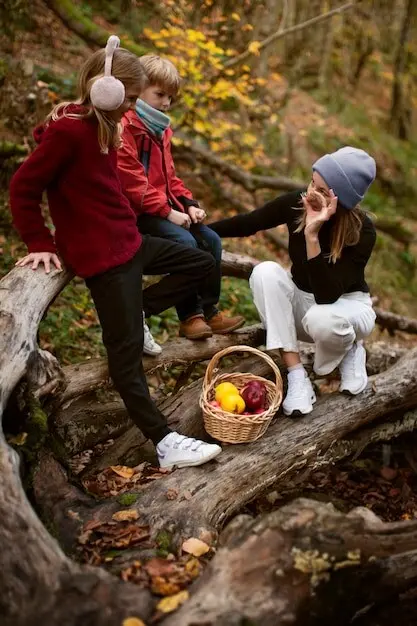
Rolling countryside turns weather into a collaborator. Limestone and pale paths bounce light, deep lanes swallow it, and breeze scrambles everything between. Learn to scan clouds, trace valley fog, and predict how sunlight will skim ridges then pool in hollows. With patience, you’ll catch minutes when petals ignite yet shadows remain tender. Share forecasts you trust and compare notes with fellow wanderers.

Stone, Gate, Path: Honest Leading Lines
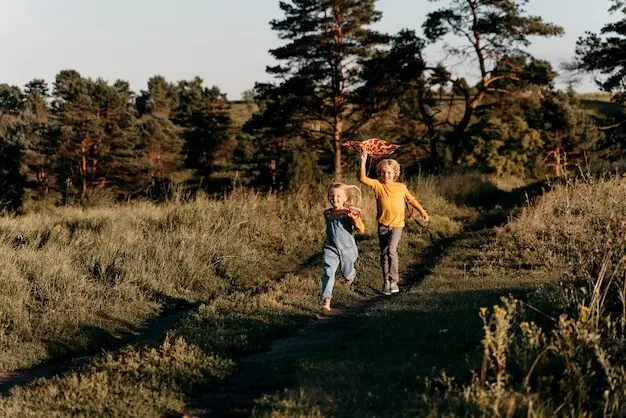
Old lines guide present footsteps. Curve a path from foreground into light, or hold a gate ajar to suggest invitation. Keep horizons steady and let warm masonry echo petal hues. Shift centimeters, not meters; small moves transform relationships between stalks and structure. Resist over-arranging; wind and chance offer choreography better than any hand can impose without harm.

Macro Stories with Pollinators as Co-stars

Focus close where bees dust themselves gold and butterflies test the breeze. Pre-focus on a favored bloom, breathe with the rhythm, and wait. Use continuous autofocus gently, raise shutter speed, yet preserve softness on wings. Ethics matter: never pin, chill, or trap. Share your field notes, favorite focal lengths, and moments when attention felt like a living handshake.

Trail Craft, Access, and Respect

Plan Routes with Maps, Sun, and Time
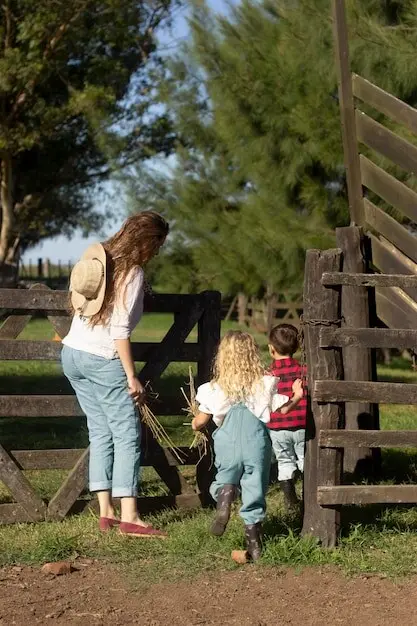
Plot mileage that matches your pace, sunrise, and floral targets. Download offline maps, carry a paper backup, and mark return-by times. Consider parking that avoids blocking gateways, and note shade for midday breaks. Share GPX files, bloom windows, and public transit tips. Offer detours for wheel-friendly strollers, celebrating the many ways people arrive at patient, attentive seeing.

Walking Kindly Through Working Countryside
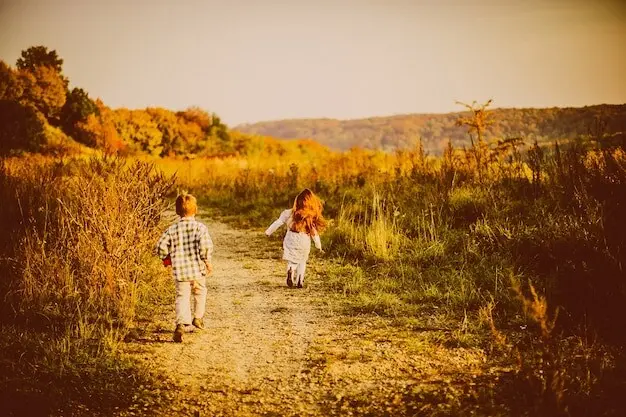
Stay on marked paths across meadows, close gates carefully, and leave verges undisturbed. Avoid trampling rare rosettes by using desire lines already trodden. Speak with locals; their stories point to seasonal wonders. When photographing people, ask permission first and offer to share images. Courtesy builds bridges, and bridges quietly lead to hidden glades, generous advice, and future invitations.

Safety, Comfort, and Being Weather-wise

Uneven ground, nettles, ticks, and sudden showers ask for preparation. Wear sturdy boots, long trousers, and bring repellent. Pack water, snacks, a small first-aid kit, and layers that breathe. Tell someone your route. Learn to read cattle behavior and give space. Confidence grows from readiness, and readiness frees attention for the small miracles rising at ankle height.

Lean, Reliable Field Gear

Carry less, notice more. Choose a light kit that balances close detail and graceful context, so your stride stays easy and reaction quick. Weather protection matters more than maximal specs. Simple tools, used attentively, outshine heavy arsenals. Share your favorite compromises, from lens choices to pack weight, and swap solutions for wind, mud, and endlessly curious dogs.

Flora Knowledge and Conservation

Knowing names deepens care. Identification sharpens observation and helps you spot patterns in soil, slope, and season. It also prevents accidental harm to rarities. Join walks with local experts, read field guides, and note what thrives where. Consider contributing records to citizen science. Invite readers to recommend books, courses, and groups that welcome beginners with patience and warmth.

01

Learning to Name What You Admire

Use simple keys, clear illustrations, and scale photos beside a coin or finger. Photograph leaves, stems, and habitat, not only flowers. Keep a notebook of dates and places, and review annually to spot phenology shifts. Apps assist, but judgment grows through practice. Celebrate uncertainty openly; curiosity shared generously keeps discovery kind, communal, and joyfully ongoing.

02

Partnering with Local Guardians

Reach out to conservation groups for guided walks and volunteering days maintaining paths, pulling invasives, or monitoring blooms. You’ll learn subtle cues about fragile soils and nesting zones that cameras alone can miss. Offer images for educational use, ask before publishing sensitive details, and become a steady ally who gives back more than footsteps.

03

Sharing Without Endangering Delicate Places

Photographs travel quickly; habitats cannot. When posting, avoid precise coordinates for vulnerable sites, describe ethics clearly, and spotlight common locations for workshops. Write alt text that teaches. Invite questions, moderate kindly, and model pruning your own reach when necessary. Stewardship grows through example, and example can feel as luminous as any petal kissed by evening light.

Editing, Sequencing, and Sharing the Journey

Post-processing should honor the walk’s quiet music. Keep colors believable while letting mood breathe through selective contrast, local dodging, and gentle grain. Sequence images to mirror footsteps, alternating whispers and exclamations. Add captions that teach, not lecture. Invite comments, host small print swaps, and subscribe for future route notes and seasonal prompts that help keep your practice alive.
Daritemiravosentorinoteli
Privacy Overview

This website uses cookies so that we can provide you with the best user experience possible. Cookie information is stored in your browser and performs functions such as recognising you when you return to our website and helping our team to understand which sections of the website you find most interesting and useful.