


Quiet Footpaths, Wild Hearts: Cotswold Encounters

Step onto mellow paths lined by limestone walls, where skylarks stitch the sky and grasses whisper with hidden life. Today we’re focusing on wildlife spotting guides for tranquil Cotswold field paths, blending practical know‑how, thoughtful ethics, and soulful moments that help you notice more. Wander gently, record what you find, share your sightings with fellow readers, and subscribe for fresh routes, seasonal checklists, and stories that keep curiosity walking beside you.

Hedgerows as Highways

Hedgerows are bustling corridors, where hawthorn, blackthorn, and elder thread safe passage for shy travellers. Watch for yellowhammer song from thorny tops, wren fuss deep in tangles, and bullfinch whispers slipping between hips and haws. Beneath, trodden tunnels mark vole routes, while fox hair snagged on wire hints at moonlit commutes no map could show.

Meadow Clues

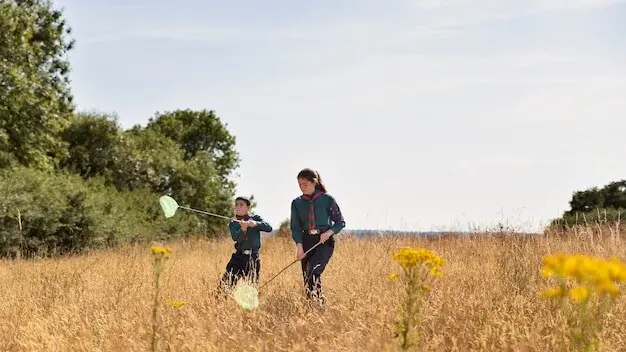
Meadows announce their moods through texture and sound. Listen for skylarks lifting straight into sunlight; track their descent to gauge nest zones without approaching. Shivering grasses may betray field voles, and scattered buttercup heads tell of hare grazing. Tiny owl pellets, delicate moth wings, and the hush after a breeze can mark remarkable, nearby company.

Stone Walls and Field Margins

Dry stone walls store warmth and stories. Peek respectfully for basking lizards, quick wrens dipping into chinks, and stoat routes sequined by droppings at regular ledges. Field margins brim with nectar, drawing marbled white and common blue butterflies. Scan patiently, step lightly, and keep distance so these narrow, generous edges can keep offering shelter and bloom.

Reading the Living Map of the Fields

Before binoculars even rise, the countryside already speaks. Hedge stitchings, meadow hues, and wall shadows hint at who passed, fed, nested, or watched. Learn to read these patient signals so every step becomes a sentence, every gateway a paragraph, and every boundary a chapter translating timeless field grammar into clear, delightful discoveries.

Light, Weather, and Seasons

Wild lives pivot on light and weather more than clocks. Dawn unfurls voices, dusk opens veils, and soft rain sharpens tracks in forgiving mud. Seasonal rhythms adjust routes and expectations, guiding you toward moments when the Cotswold fields feel most alive, merciful, and welcoming to unhurried eyes and respectful, steady footsteps.

Dawn Chorus and First Light

Arrive before sunrise, pause at a gate, and let your ears scout first. Robins warm the air, blackbirds embroider low hedges, skylarks lift the ceiling, and distant rooks commute. Low light favors silhouettes, so note shapes, tail lengths, and flight styles. Keep voices hushed, steps measured, and realize that listening often reveals more than looking.

Golden Hours of Dusk

When fields exhale heat, mammals loosen their guard. Watch for roe deer slipping from cover, brown hares boxing silhouettes against fading hay, and barn owls quartering pale along margins. Carry a dim, red‑filtered torch, avoid sudden beams, and linger quietly near edges. Patience at twilight often surrenders gentle scenes your camera barely deserves.

Who Lives Here

From flutter to pawprint, the Cotswold patchwork shelters more neighbors than first glimpses suggest. Birds stitch the heights, mammals write the margins, and insects light lanterns across flowers. Meeting them well means noticing quietly, offering space, and learning quick clues that turn shy presences into confident, cherished acquaintances along every gentle mile.

Tools, Skills, and Small Comforts

A light daypack can multiply discoveries. Binoculars sharpen distant threads, notebooks preserve fading details, and a map anchors curiosity to real paths. Add water, a quiet layer, and respectful fieldcraft so chance meetings become learned conversations, and the countryside greets you as a considerate, attentive guest instead of a hurried passerby.
Set diopter carefully, brace elbows on your ribs, and sweep in slow figure‑eights. Note behaviors first, plumage second; behavior rarely lies. Jot wind, light, and habitat in a pocket notebook, sketch shapes crudely, and circle uncertainties. Returning later, those fragments bloom into certainty, guiding kinder, more accurate identification on your next wander.
Ears scout ahead when hedges hide. Practice naming distances by sound, from hedge rustles to overhead calls. Walk heel‑to‑toe on softer verges, pause often, and let skylark songs unveil perches you might otherwise pass. A slower pulse calms the path, and animals begin treating you as background rather than interruption, revealing unguarded routines.
Carry an OS Explorer map or reliable offline app, and honor signposted footpaths across arable and pasture. Close gates, give livestock space, and leash dogs near ground‑nesters. If work blocks a stile, smile and ask the farmer for guidance. Clear courtesy brightens every meeting and keeps future walkers warmly, safely welcome along these routes.

Meadow Loops Near Limestone Villages

Begin where stone cottages meet pasture, following waymarks through ridge‑and‑furrow undulations alive with skylark lift. Pause at a gate facing sunlit sward, scan butterfly corridors along uncut margins, and trace vole lines etched between tussocks. A modest loop, revisited in changing light, becomes a faithful teacher repeating lessons you somehow missed yesterday.

Streamside Strolls Beneath Willow Shade

Drift beside clear brooks that mirror swallows and carry wagtails from stone to stone. Watercress fringes tremble under trout flicker, and damselflies needle light into bright stitches. Keep boots to the path, let dogs wade only where allowed, and linger just long enough for a kingfisher shout to turn patience electric.

Escarpment Edges with Far Views

Follow the contour where wind writes stronger lines. Scan thermals for red kites and buzzards, listen for meadow pipits riding the breeze, and watch hares pattern barley like fleeting scripts. Stay back from field edges, mind livestock, and shelter behind walls during gusts. Big views reward small manners, opening space for calmer noticing.

Caring for Place and People

Kind fieldcraft protects fragile margins and strengthens neighborly ties. Tread lightly, pack out crumbs of presence, and keep curiosity generous. Your best sightings depend on healthy hedges, untrampled flowers, and respectful conversations with those who work these acres, because shared stewardship makes tomorrow’s walks even richer than today’s wandering gifts.

Respecting Farmland Rhythms

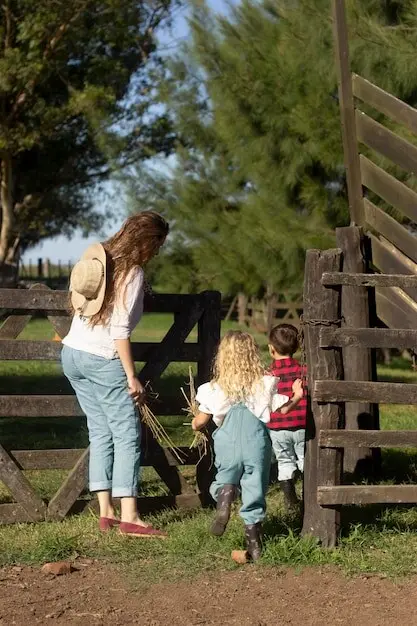
Fields are workplaces first. Heed machinery, lambing signs, and freshly sown strips that need quiet feet. If livestock cluster near a gate, choose another pause point. A lifted hand, a quick thank‑you, or stepping aside can transform chance meetings into trust, preserving welcomes and keeping footpaths open and kindly shared across seasons.
Leave No Trace on Fragile Soils

Stick to paths, especially when rain loosens topsoil or hay just fell. Snack wrappers, orange peels, and dog waste all linger longer than a pleasant memory, so carry them home. Avoid crushing margins where orchids and invertebrates thrive. Good sightings sparkle brighter when the place that offered them remains beautifully, quietly unchanged behind you.
Citizen Science and Friendly Conversations

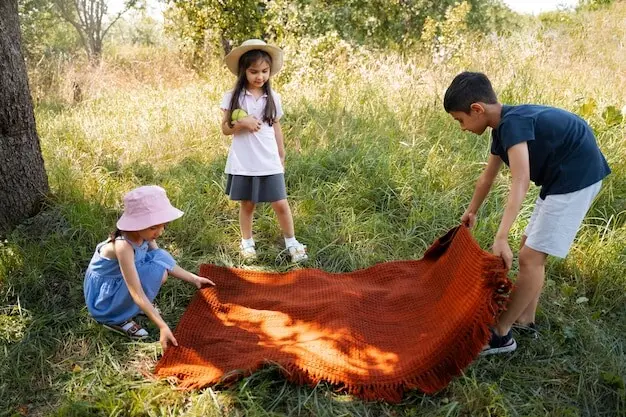
Record birds on simple apps, log butterflies during sunny windows, and share unusual finds with local groups. Swap notes with wardens or farmers at gates, asking before crossing machinery tracks. Collective observations build stronger habitat cases, attracting support for hedges, ponds, and meadows. Your gentle data can become tomorrow’s flourishing, singing corridors.
Stories, Community, and Next Steps

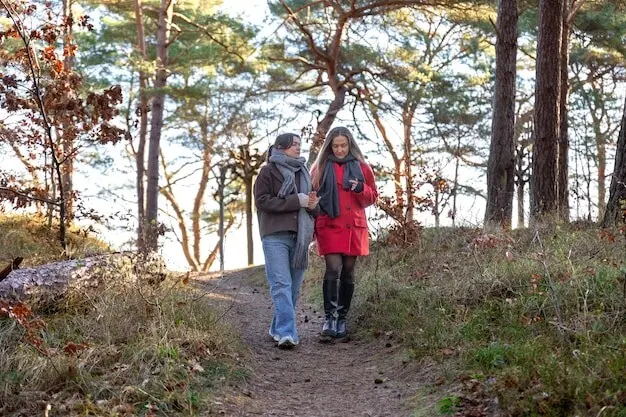
Experiences travel farther when shared. Anecdotes, sketches, and brief recordings help others notice more on their next wander, and your questions refine our guides. Leave a comment, subscribe for seasonal updates, and send your favorite path moments. Together we can grow a friendly archive of quiet marvels, one soft footstep at a time.
Daritemiravosentorinoteli
Privacy Overview

This website uses cookies so that we can provide you with the best user experience possible. Cookie information is stored in your browser and performs functions such as recognising you when you return to our website and helping our team to understand which sections of the website you find most interesting and useful.