Step Lightly Through the Cotswold Meadows

Today we share conservation-friendly ways to explore Cotswold meadows, celebrating ancient grasslands where butterflies drift over oxeye daisies and skylarks spiral into blue summer skies. Discover gentle habits that protect hay cycles, respect grazing, support local guardians, and enrich every slow footstep. Expect practical tips, small adventures by train and bike, and heartfelt stories that make each visit kinder. Bring curiosity, carry out your litter, and leave only soft impressions in dew-kissed grass while helping these remarkable landscapes thrive for generations.

Walk Softly, See More

Meadows reward patience and careful footsteps. When you move slowly, colors and scents unfold, and delicate plants avoid being crushed. Respect seasonal hay cuts and aftermath grazing, which keep wildflowers abundant. Follow waymarked routes, pause to watch insects, and let your senses lead. The gentler your approach, the richer the encounter, turning a simple stroll into a tapestry of details that deepens appreciation and protects the living fabric beneath your boots.

Honor the Meadow Calendar

Traditional hay meadows flower in late spring and early summer before a mid-to-late July cut, followed by light grazing. Visiting outside peak bloom can lessen trampling pressure and help seeds mature. Watch for notices from land managers, heed temporary diversions, and celebrate the rhythm that sustains orchids, yellow rattle, and knapweed. Timing your wanderings to this patient calendar brings brighter blooms next year and a richer chorus of insects.

Follow the Quiet Lines

Desire paths tempt the curious, yet straying from marked routes compacts soil, fragments habitats, and stresses ground-nesting birds. Keep to footpaths and permissive trails, stepping aside onto durable surfaces when you need to pass. If grass is wet, tread even more carefully to avoid slippery patches and damage to soft turf. By honoring these quiet lines, you’ll still see wonder, only now it arrives without unintended scars.

Companions on Leads

Dogs bring joy, yet wildlife needs calm. From March to July, skylarks and other birds hide nests among whispering stems; a bounding friend can shatter weeks of careful incubation. Keep leads short near cattle, close gates, and bag every waste, carrying it out even when bins are distant. These considerate rituals protect vulnerable chicks, maintain healthy pastures, and keep everyone—human and animal—safe and welcome among the flowers.

Carry Less, Care More

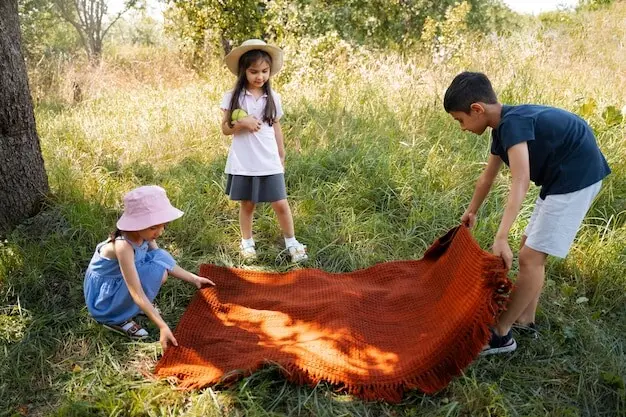
Everything you bring should leave with you, lighter in spirit, heavier in stories, never in rubbish. Small actions—packing a reusable bottle, sealing snacks in sturdy containers, and pocketing micro-litter—prevent harm that accumulates invisibly. Choose quiet picnics away from fragile blooms, then lift your blanket carefully so insects escape. When you carry less and consider more, every meadow breathes easier, and your memories ring clearer and kinder.

Arrive Light, Explore Right

Reaching the meadows by train, bus, or bicycle lowers emissions and reveals a gentler pace. Step off at market towns, follow lanes edged with hedgerow campion, and link footpaths between reserves. Seek circular routes from stations to villages with refill points, then share tips about quiet connectors that reduce road noise. Traveling light aligns your journey with the landscape, turning logistics into part of the beauty.

Train to Trail

Stations like Moreton-in-Marsh, Kemble, and Charlbury offer convenient springboards into wildflower country. Before arrival, download maps, note bus timetables, and plan a loop that rejoins the rail line. Trains let you daydream past honeyed stone villages, arrive refreshed, and depart without parking worries near sensitive verges. The journey becomes a ribbon tying sustainable travel to meadow-side discovery and unhurried, mindful walking.

Pedals and Pathways

Quiet lanes weave across rolling limestone, perfect for bikes and e-bikes that sip rather than gulp energy. Carry a small lock, charge respectfully at cafés that welcome riders, and dismount where footpaths request walking. Bells warn kindly near horses, and soft tires spare delicate edges. With panniers for layers and a compact repair kit, you’ll glide between habitats, pausing often to hear grasshoppers stitching summer air.

Know the Meadow, Deepen the Joy

Understanding how hay meadows function lets every color and hum make sense. Low nutrients favor diversity; yellow rattle parasitizes grass, opening space for orchids and scabious. Butterflies like marbled white dance over knapweed, while hoverflies patrol umbellifers. When you read these signs, each step becomes fluent in meadow language, guiding your choices toward protection while multiplying delight with every nuanced discovery.

Plants that Shape the Tapestry

Look for oxeye daisy, meadow buttercup, common knapweed, red clover, and yellow rattle threading their influence through swards. Rattle weakens aggressive grasses, allowing delicacies like bedstraw and pyramidal orchid to thrive. Seedheads matter as much as petals, feeding finches and setting next year’s pageant. Learning a few names transforms color into community, encouraging slower movement and lighter footsteps around vulnerable clusters.

Pollinators in Motion

Meadow browns flutter at ankle height, while marbled whites shimmer like living chessboards above thistles. Bumblebees buzz through clover patches, and tiny hoverflies gleam over hogweed umbels. Each requires continuous nectar and varied microhabitats. Linger quietly to witness courtship spirals and careful foraging. By avoiding sprays at home and planting native flowers, your garden can echo these meadows, strengthening regional lifelines beyond a single walk.

Birdsong and Small Lives

Skylarks stitch impossible melodies into big skies, while linnets glean seeds along hedged edges. Hares crouch unseen; voles scurry through hidden corridors beneath the sward. Ground nests and delicate burrows benefit when we keep dogs leashed and feet to paths. Pausing to listen before crossing a patch of lush, knee-high grass protects lives you may never see, yet always graze the heart with wonder.

Choose Businesses that Restore

Look for refill stations, responsible waste practices, and suppliers who back habitat projects. Ask about honey from wildflower-rich pastures or cheeses from farms practicing wildlife-friendly grazing. Spending with intention rewards those aligning livelihoods with thriving landscapes. Your receipt becomes a vote for more flowers, stronger soil life, and communities proud to welcome visitors who care beyond a single afternoon’s walk.

Back the Keepers of Grasslands

Groups such as local Wildlife Trusts, Plantlife, and the Cotswolds National Landscape partnership champion restoration, advice for farmers, and public engagement. A modest monthly donation funds seed collection, plug planting, and volunteer training. Newsletters keep you learning across seasons. As projects scale, once-rare blooms rebound, butterflies multiply, and children inherit the possibility of summers stitched with scent, wings, and hopeful, humming continuity.

Lend Hands and Share Sightings

Volunteer days teach sharpening scythes, raking hay, and scattering seed from nearby donor sites. If time is scarce, contribute observations through trusted recording platforms, avoiding precise locations for rarities. Photos without exact geotags still inform science while preventing harm. These small offerings braid together into big datasets, guiding stewards toward better decisions and brighter meadows that greet you kindly on your next visit.

Plan Well, Roam Freely

Thoughtful preparation unlocks calm, flexible days. Check weather, pack layers, and download offline maps. Read local access guidance, noting rights of way, permissive paths, and livestock notices. Bring water, sun protection, and a simple first-aid kit. After your walk, do a tick check and stretch. Good planning keeps minds unburdened, opening space for golden grasses, intricate seedheads, and the quiet happiness of moving kindly through living beauty.
Daritemiravosentorinoteli
Privacy Overview

This website uses cookies so that we can provide you with the best user experience possible. Cookie information is stored in your browser and performs functions such as recognising you when you return to our website and helping our team to understand which sections of the website you find most interesting and useful.